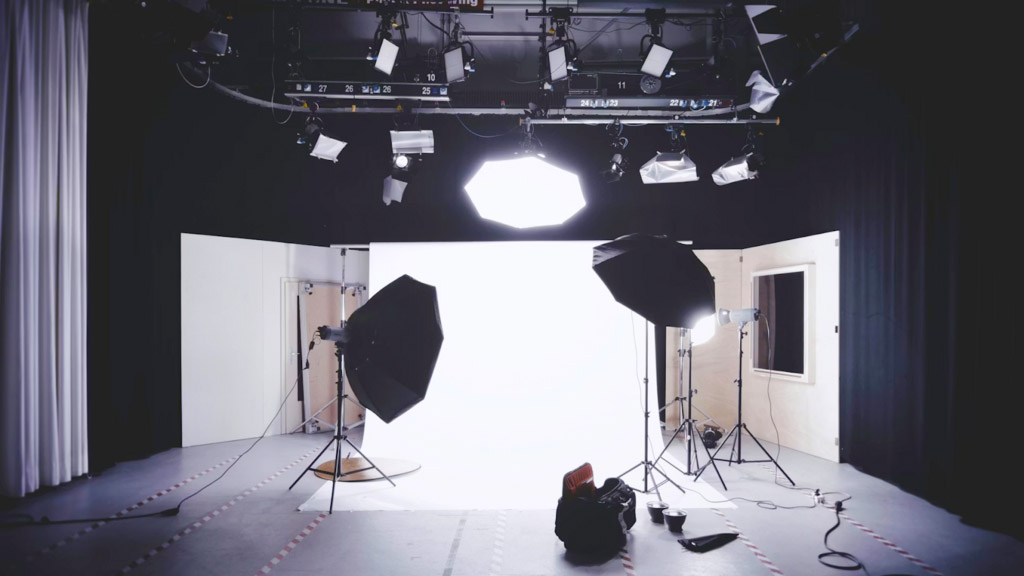
Atlanta's art scene has grown steadily over the past decade, drawing painters, sculptors, photographers, and mixed-media creators from across the Southeast. For many emerging artists, the leap from kitchen table to dedicated workspace marks a turning point—not just in output, but in how seriously they take their practice.
Finding the right studio space for rent in Atlanta isn't simply about square footage. It's about access to natural light, proximity to galleries and collaborators, and whether the rent leaves enough room in the budget for materials. The city's neighborhoods offer different advantages: some prioritize affordability, others community, and a few manage both.
Here's what a dedicated studio typically provides:
- Separation from domestic life: A clear boundary between living space and creative work helps maintain focus and routine.
- Room for larger projects: Canvases, installations, and equipment that won't fit in an apartment suddenly become feasible.
- Professional credibility: Clients, curators, and collaborators respond differently when you can invite them to a working studio.
- Peer networks: Shared buildings often house multiple artists, creating organic opportunities for feedback and collaboration.
Many artists start out working wherever they can—a corner of the bedroom, a cleared-out garage, a folding table in the living room. That works for sketches and small pieces, but it rarely scales. Artists who maintain dedicated workspaces report higher levels of sustained creative output and are more likely to pursue their practice full-time. To learn more, check out this detailed YouTube video.
A studio offers more than just physical space. It creates psychological separation. When you walk into a studio, you're signaling to yourself—and to others—that this is work, not a hobby. That shift in mindset can be surprisingly powerful.
Additional benefits include:
- Better tools and infrastructure: High ceilings for large works, ventilation for fumes, sinks for cleanup, and storage for materials.
- Reduced distractions: No laundry, no roommates, no pressure to tidy up before guests arrive.
- Community accountability: When other artists are working nearby, it's easier to show up consistently.
- Space to experiment: Messier techniques—welding, resin work, spray paint—become viable when you're not worried about damaging a security deposit.
For artists serious about building a sustainable practice, a dedicated studio often pays for itself in focus and momentum.
Not all studio spaces are created equal. Before signing a lease, consider what your work actually requires. A photographer needs different infrastructure than a ceramicist, and a painter working in oils has different ventilation needs than someone doing digital illustration.
Key factors to evaluate:
- Location and access: Can you get there easily? Is it safe to work late? Are there nearby galleries, supply stores, or coffee shops where you can meet clients?
- Natural light: North-facing windows provide consistent, indirect light—ideal for color-sensitive work. South-facing windows offer more intensity but can create glare.
- Ceiling height and floor space: Measure twice. A 200-square-foot studio with 14-foot ceilings feels very different from the same square footage with an 8-foot drop ceiling.
- Utilities and amenities: Does the rent include heat, water, and electricity? Is there a freight elevator? A loading dock? Shared equipment?
- Lease terms: Month-to-month offers flexibility but less stability. A year-long lease locks in your rate but requires commitment.
- Community and vibe: Visit during working hours. Talk to current tenants. Some buildings are quiet and solitary; others thrive on collaboration and open studios.
Atlanta's Westside has transformed dramatically over the past fifteen years. What was once a patchwork of warehouses and light industrial buildings has become one of the city's most dynamic creative districts. The area now hosts galleries, performance spaces, and a growing number of studio spaces in Atlanta West that cater specifically to working artists.
The neighborhood's appeal is straightforward: lower rents than Midtown or Old Fourth Ward, larger floor plates, and a critical mass of other creatives. The BeltLine's Westside Trail runs through the area, connecting studios to restaurants, breweries, and public art installations. It's become a place where artists can afford to take risks.
What makes Atlanta West particularly attractive:
- Affordability: Rents remain 20-30% lower than comparable spaces in more established arts districts.
- Adaptive reuse buildings: Former factories and warehouses offer the high ceilings, open layouts, and industrial character many artists prefer.
- Walkable access: The BeltLine and MARTA stations make it easy to get around without a car.
- Active arts community: Regular open studio events, artist-run galleries, and informal critiques create a supportive ecosystem.
The Westside isn't the only option—East Atlanta, Reynoldstown, and parts of Decatur also offer studio spaces—but it's become a default choice for many emerging artists balancing cost and community. Providers like Studio Space Atlanta, WonderRoot, and The Goat Farm Arts Center have each established footholds in the area, offering working artists a range of lease structures and community programming.
Signing a lease is just the beginning. How you set up and use your studio will determine whether it becomes a productive sanctuary or an expensive storage unit.
Start with the basics:
- Zone your space: Separate areas for active work, drying or curing, storage, and admin tasks. Even in a small studio, clear zones reduce chaos.
- Invest in good lighting: Supplement natural light with adjustable LED fixtures. Color temperature matters—5000K bulbs mimic daylight and help with color accuracy.
- Organize vertically: Wall-mounted shelves, pegboards, and magnetic strips free up floor space and keep tools visible.
- Control the environment: Depending on your medium, you may need fans, dehumidifiers, space heaters, or air purifiers. Don't wait until you're uncomfortable to address it.
- Make it yours: Pin up inspiration, play music, bring in a comfortable chair. The space should feel like somewhere you want to spend time.
The most functional spaces balance flexibility with structure—enough organization to work efficiently, enough openness to pivot when a project demands it.
One of the underrated advantages of renting studio space in Atlanta is access to the city's broader arts infrastructure. The more you engage with that ecosystem, the more opportunities tend to surface.
Consider:
- Open studio events: Many buildings host quarterly or biannual open studios where the public can visit. These are low-pressure ways to get feedback and make sales.
- Artist collectives: Groups like WonderRoot and the Goat Farm Arts Center offer programming, exhibitions, and networking that can accelerate your trajectory.
- Critique groups: Regular peer feedback sharpens your work and keeps you accountable. Many studio buildings have informal critique nights.
- Skill shares: Trade knowledge with other artists—learn welding in exchange for teaching screen printing, for example.
Atlanta's arts community is more accessible than in larger, more expensive cities. Taking advantage of that openness can make the difference between working in isolation and building a sustainable practice.
Renting a studio is an investment, and like any investment, it should be evaluated against what you're trying to build. For hobbyists, a home setup may be sufficient. But for artists aiming to exhibit regularly, sell work, or eventually make art their primary income, a dedicated studio often becomes non-negotiable.
The benefits compound over time. Consistent access to space leads to more work. More work leads to better work. Better work leads to exhibitions, sales, and commissions. Those opportunities, in turn, justify the rent and create a virtuous cycle.
Atlanta offers a rare combination: a serious arts scene without the prohibitive costs of New York or Los Angeles. For emerging artists willing to commit to their practice, that makes it one of the more promising cities in the country to establish a studio and build a career.
If you're ready to move beyond makeshift workspaces, start by visiting a few buildings, talking to current tenants, and getting a sense of what different neighborhoods offer. The right studio won't just give you room to work—it'll give you room to grow.
|