This is one of those betting rules many people only notice after they win less than expected. In simple terms, Rule 4 is a deduction from your winnings when a horse is withdrawn from a race after you have already taken a fixed price. The reason is straightforward. With one runner removed, the remaining horses have a better chance of winning, so the old odds are no longer fully accurate.
This rule is most common in UK and Irish horse racing betting. It usually affects fixed-odds bets placed before the withdrawal was announced. If you bet after the market has already been changed, the new odds should already reflect the smaller field, so Rule 4 should not normally be added again.
Imagine an eight-runner race where you backed a horse at 5/1 in the morning. Later, a strong favourite is withdrawn. Your horse no longer has to beat that favourite, so its real chance of winning has improved. If your original 5/1 price stayed untouched, you would be getting better value than the market now supports.
Rule 4 is designed to correct that. The bookmaker does not reduce your stake. The deduction comes from your profit only. This point matters because many bettors think the whole return is cut, but that is not how the rule works.
The size of the deduction depends on the odds of the withdrawn horse at the time it was officially taken out. A short-priced favourite causes a bigger deduction because its absence changes the race much more.
Some common examples are easy to remember. If the withdrawn horse was evens to 6/5, the deduction is 45p in the pound. At 9/5 to 9/4, it is 30p. At 12/5 to 3/1, it is 25p. At 16/5 to 4/1, it is 20p. At 6/1 to 9/1, it drops to 10p. At 10/1 to 14/1, it is only 5p. If the withdrawn horse was over 14/1, there is no deduction.
The highest deduction on the scale is 90p in the pound, which applies when a very short-priced runner is withdrawn. If more than one horse comes out, deductions can be combined, but the total should not exceed 90p in the pound.
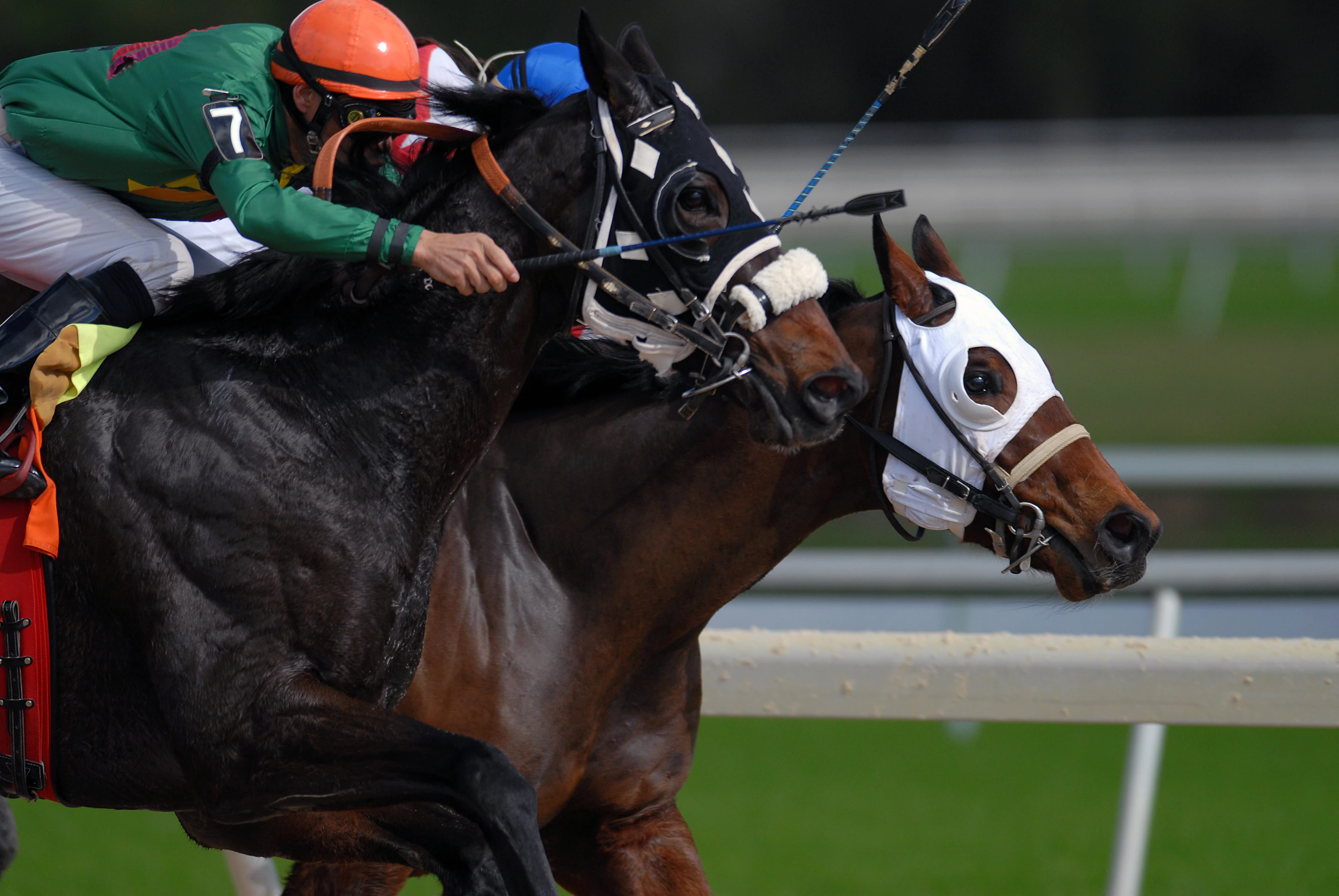
Before placing an early racing bet, it is worth checking three things:
-
Whether the race has short-priced favourites that would cause a large deduction.
-
Whether your bet is fixed odds, starting price, each-way, ante-post, or part of a special market.
-
Whether the bookmaker has any concession on small Rule 4 deductions.
Many bettors also check betting platforms on sites like cazinouri.co.uk before choosing where to place racing bets, because settlement rules, promotions, and small concessions can differ between operators. The key is not to chase the highest price alone. A slightly lower price with clearer rules can sometimes be easier to manage.
If you backed the horse that does not run, your stake is normally refunded, unless it was an ante-post bet or another special market with different rules. This is why checking the type of market matters. A normal race-day fixed-odds bet is not the same as an ante-post bet placed days or weeks before the race.
This is also where many casual bettors get confused. They see one horse refunded and another horse paid with a deduction, then assume the bookmaker has made a mistake. In reality, the two bets are settled under different parts of the rule.
|